The interaction between religion and media has affected the way society perceives, experiences and interprets religion and the religious; it changed the relationships between practitioners and practice, and between practitioners and religious authorities; and at the same time, the interface between religion and media has also transformed features and functions of the media platforms. In East Asia, several religious groups or teachers have their own internet websites, and some believers live their faith and practice only in a virtual space, where they also conduct online rituals. This happens in China and Taiwan too. Buddhists have resorted to the press, music, radio and television, the Internet and social media, and finally automata.
Religion and media in China: initiating a new field
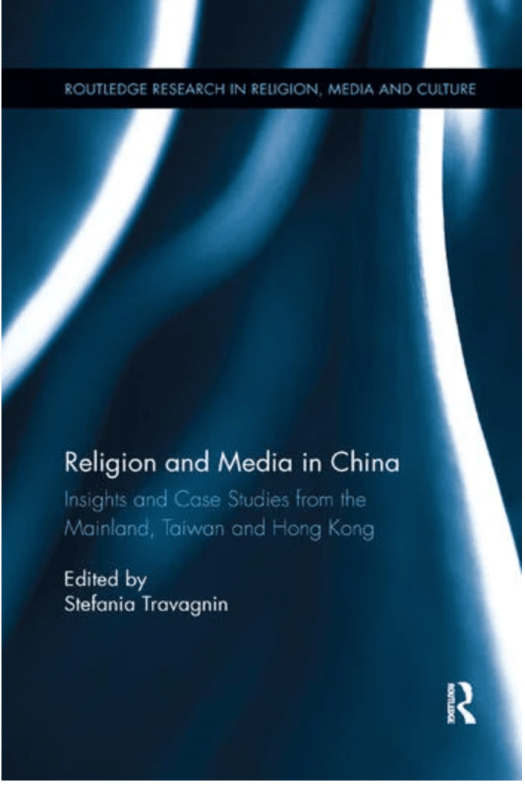
My edited volume Religion and Media in China, from 2016, has been the first book-length manuscript on the subject; it includes some of my studies and contributions of several colleagues from different disciplines. This book wanted to represent only the beginning of a research trajectory.
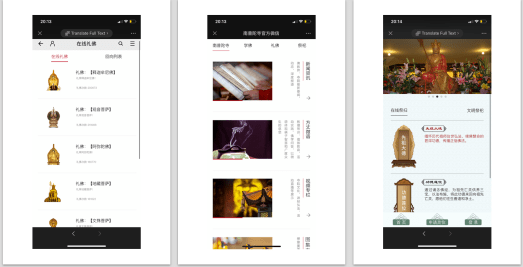
Online Buddhist rituals
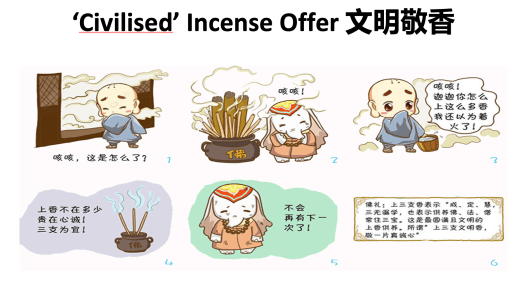
My study of online Buddhist rituals illustrate areas of rupture and changes from traditional practice, like the ritual discourse: conventions and protocols typical of offline ritual appear transformed in the online version; consequently, from the perspective of traditional Chinese ritual, the authenticity and efficacy of ritual are theoretically compromised, or at least questioned and revalued. The vocabulary used online also differs from the offline practice; calculation and transfer of the merits accumulated also differs in the online modality. The analysis of online ritual can prompt more questions. First, how is this considerable and steady increase of religious presence in the digital sphere fitting the Chinese political agenda? Or even be read as a form of ‘soft power’? And related to that, how is the label of civilised (wenming 文明) attached to online practice connected to the wider urge for a civilised (wenming 文明) behavior? And second, are these online rituals just a repetition (or a reflection), in the religious domain, of the use of digital technology that is already permeating any sector of contemporary society? Part of my research has been published in the chapter “Cyber-Activities and ‘Civilized’ Worship: Assessing Contexts and Modalities of Online Ritual Practices” part of the edited volume Buddhism After Mao (Hawaii, 2019).
China, Buddhism and AI
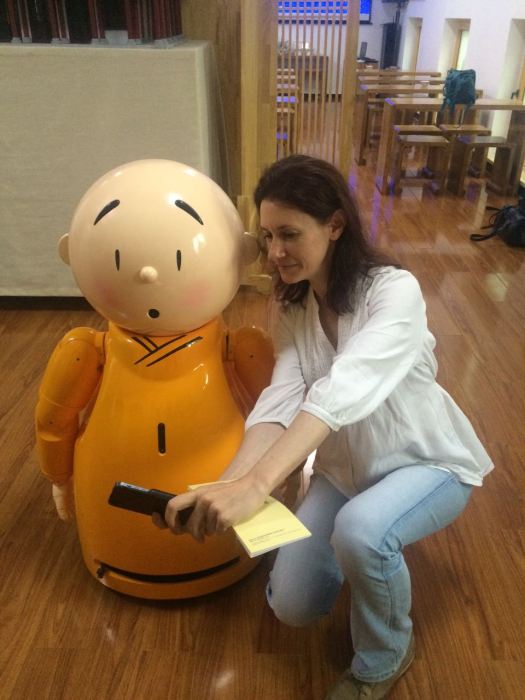
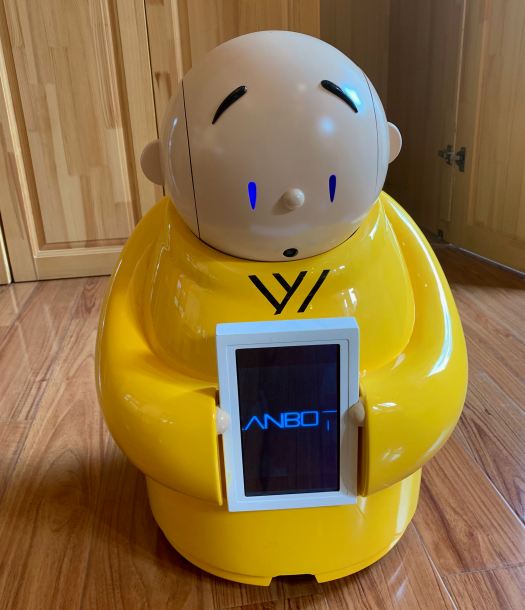
Robotics, in the sense of human-shaped robots, started being part of the religious and Buddhist sphere in China only recently; academic research on this phenomenon is also in its infancy. I will use especially the case study of the robot monk Xian’er, who is in Longquan Monastery, a temple in Beijing. Many of the questions and arguments advanced in the study of digital religion or religions’ adoption of technology have been also used to interpreting AI in religion. And of course more questions, coming from the general debate on the use of AI in society, have been added to that. Preliminary remarks of my work on Buddhism and AI has been published in the article “From Online Buddha Halls to Robot-Monks: New Developments in the Long-term Interaction between Buddhism, Media, and Technology in Contemporary China” (Review on Religion and Chinese Society 7, no.1: 120-148).
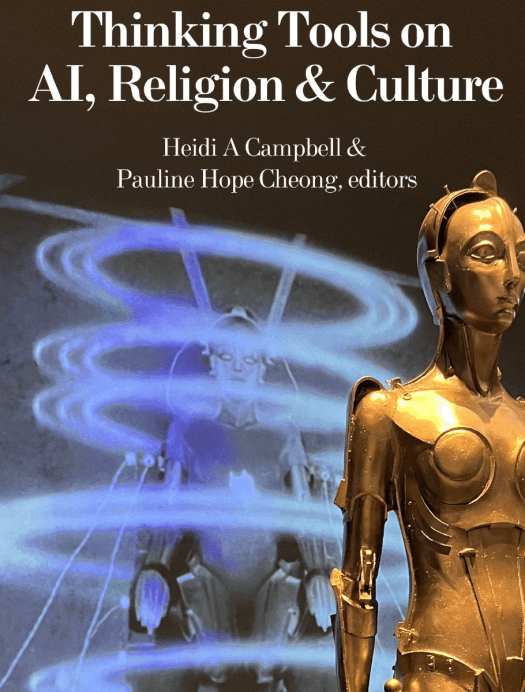
I have been very proud to contribute my take on Chinese and Buddhist perspectives on the adoption of AI to the volume Thinking tools for AI, Religion & Culture co-edited by Heidi A. Campbell and Pauline Hope Cheong (2023).
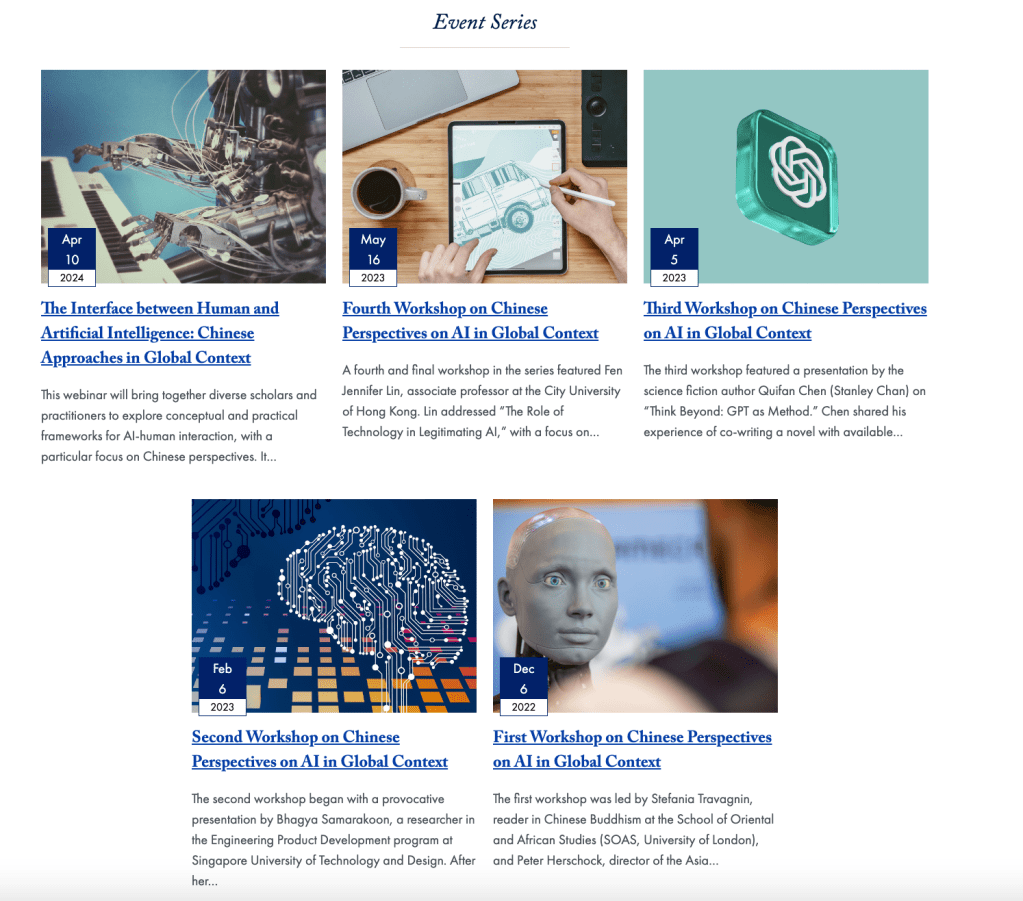
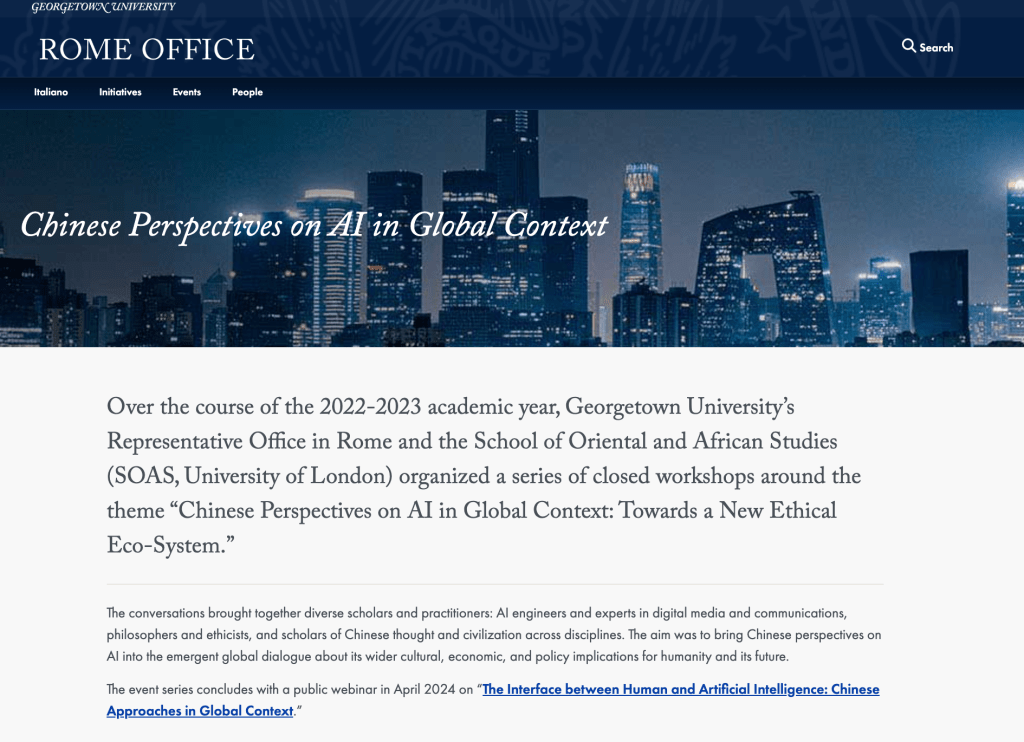
Since 2022, I have been collaborating with my dear friend and colleague Debora Tonelli (Georgetown Representative Office in Rome) for a large team-project on China and AI, titled “Chinese Perspectives on AI in Global Perspectives: Towards a New Ethical Eco-System”, under the auspices of Georgetown University. The project brought together diverse scholars and practitioners: AI engineers and experts in digital media and communications, philosophers and ethicists, and scholars of Chinese thought and civilisation across disciplines. The aim was to bring Chinese perspectives on AI into the emergent global dialogue about its wider cultural, economic, and policy implications for humanity and its future. Besides a series of close-door meetings, we will hell our first public webinar, titled “The Interface between Human and Artificial Intelligence: Chinese Approaches in Global Context”, on April 10, 2024.



 Stefania Travagnin